
LIVE-WEL
About the Study
Recovery after a stroke involves both your body and your mind. Taking care of your mental health early may also support your physical and brain recovery.
LIVE-WEL is a fully remote study that is free to join. We are testing a simple, activity-based approach called behavioral activation to help improve daily life and prevent depression after stroke.
What is behavioral activation?
Behavioral activation helps you take small steps back into daily life and feel more hopeful after a stroke.
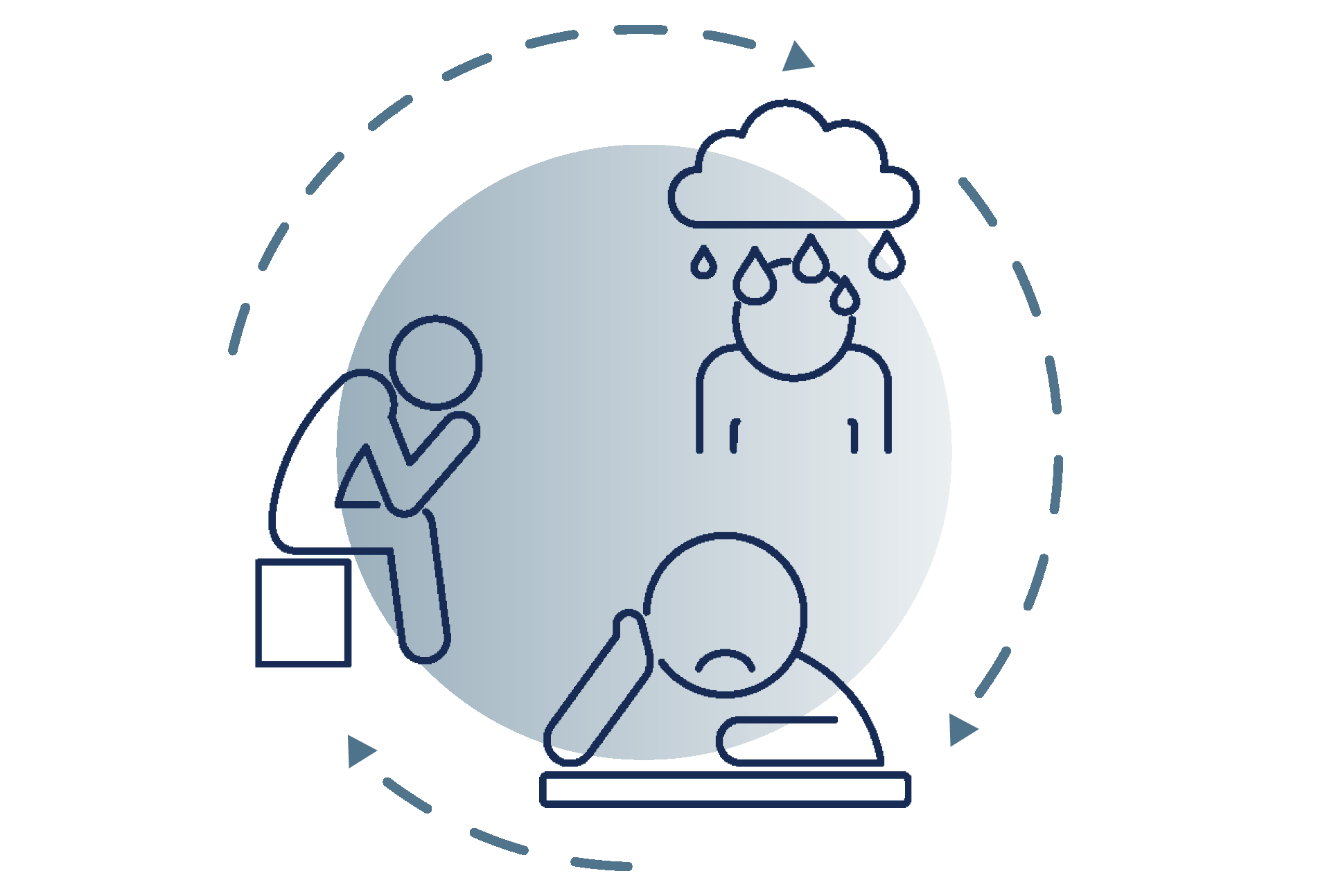
Cycle of depression after stroke
After a stroke, it is common to feel low, which leads to not doing things that matter to you, which means you get less out of life, and then you may feel even lower!
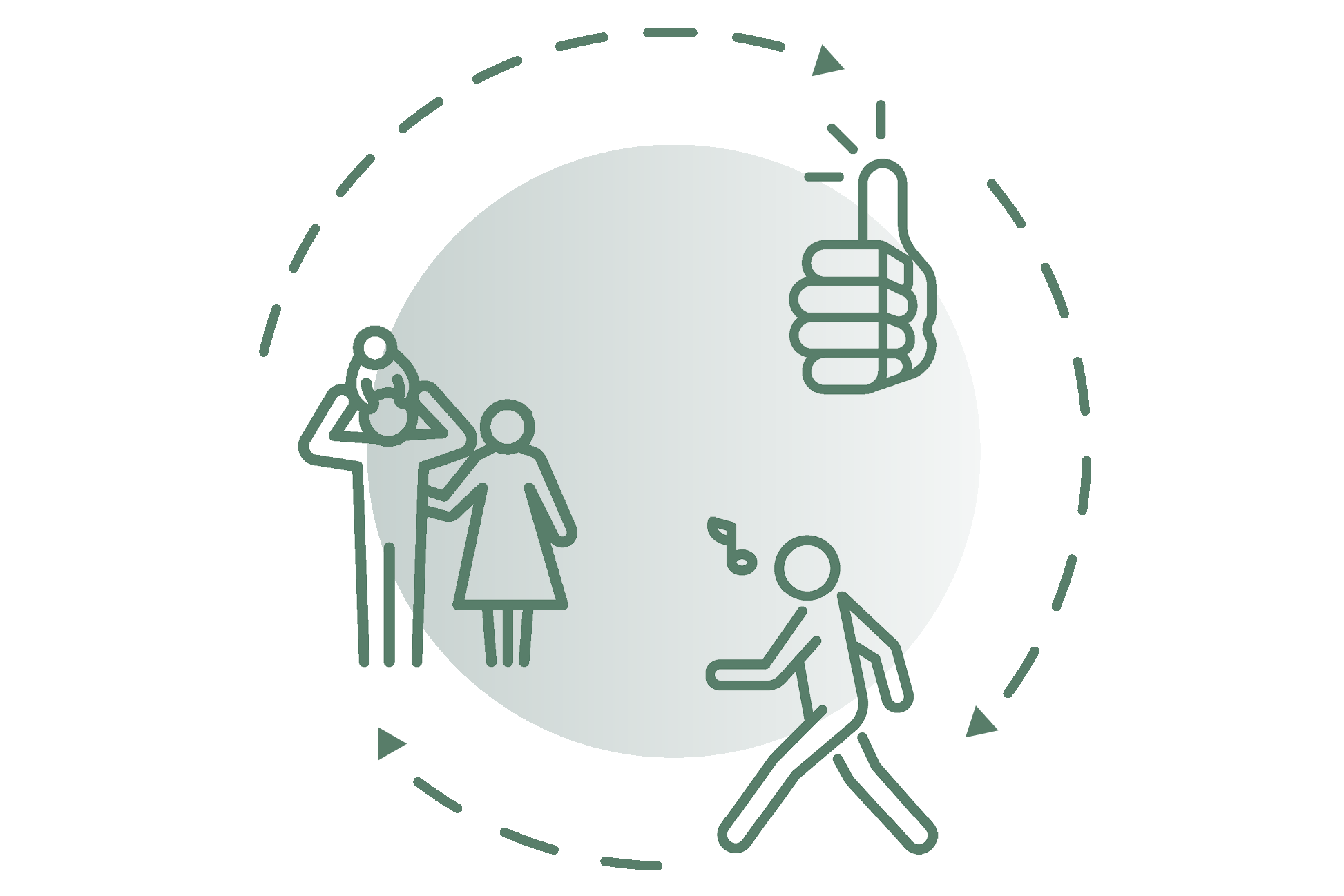
Cycle of behavioral activation after stroke
Behavioral activation focuses on doing more of the things that matter to you, which helps you get more out of life, which makes you feel better and feel like doing the things that matter even more.
Depression after stroke
Depression is common after a stroke, and it can happen because the brain is healing and may not work the same way for a while. This can make it harder to feel positive emotions, and it may make recovery a little tougher.

will develop depression after stroke.

may make the rehabilitation and recovery process more challenging.

can lift your mood and may help your body and mind recover faster.
Who can participate
You may be able to join if you:
-
- Are 55 or older
-
- Had your first stroke in the past 3 months
- Live at home
- Speak English or Spanish
- Had your first stroke in the past 3 months
How it works
If you qualify for LIVE-WEL and join the study, you will be placed into 1 of 2 groups by chance, like flipping a coin. One group gets remote behavioral activation, and the other group does not.
Both groups play an important role in helping us learn how to better support recovery after a stroke!
If you are in the behavioral activation group, you will:
-
- Continue with the medical care and services you have already been receiving after stroke
- Receive 5 weekly 1:1 online coaching sessions with a community health worker
- Receive 2 monthly follow-up phone calls to support your progress after the coaching sessions
- Complete short online (or phone) surveys over 9 months and may receive payment
If you are in the other group, you will:
- Continue with the medical care and services you have already been receiving after stroke
- Complete short online (or phone) surveys over 9 months and may receive payment
Meet Our Team
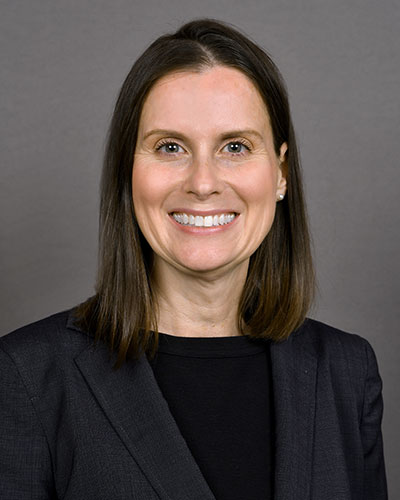
Principal Investigator
UTHealth Houston
Co-Investigators
Ron Acierno, PhD
Sean Savitz, MD
Anjail Sharrief, MD, MPH
Belinda Reininger, DrPH
UT Southwestern
Senior Data Manager
Matthew (Sunil) Mathew
UT Austin
Co-Investigator
Namkee Choi, PhD
Senior Project Manager
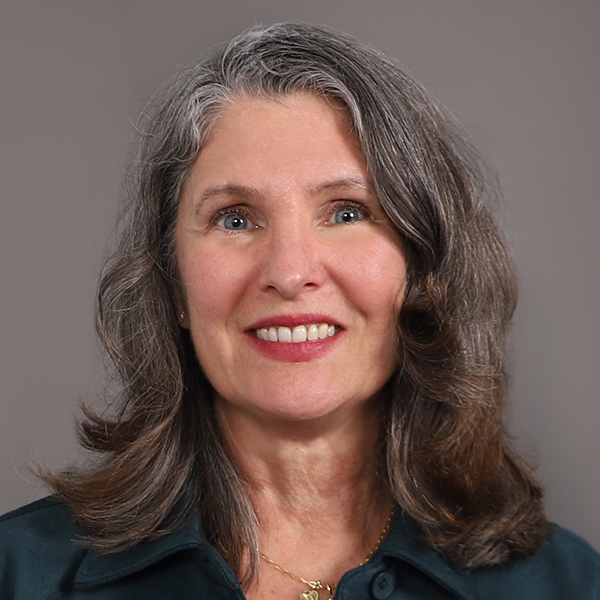
Melinda Cox, PhD
Social Worker
Lauren Rosales, LMSW, MPAff
Clinical Trials Manager
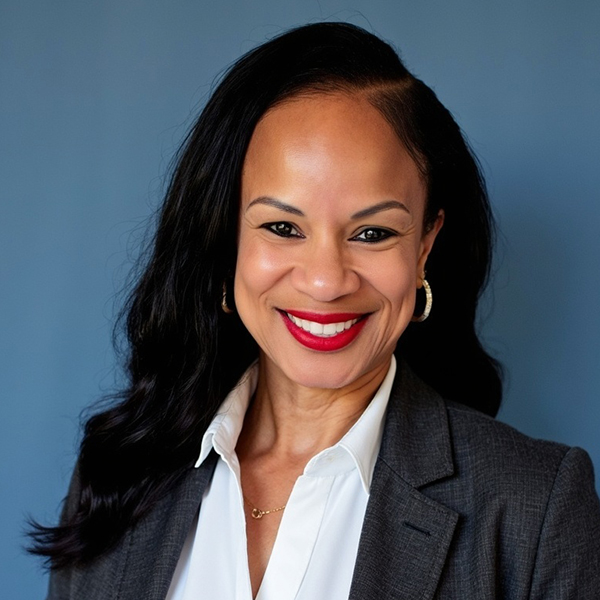
Gabretta Cooksey
Stroke Prevention Specialist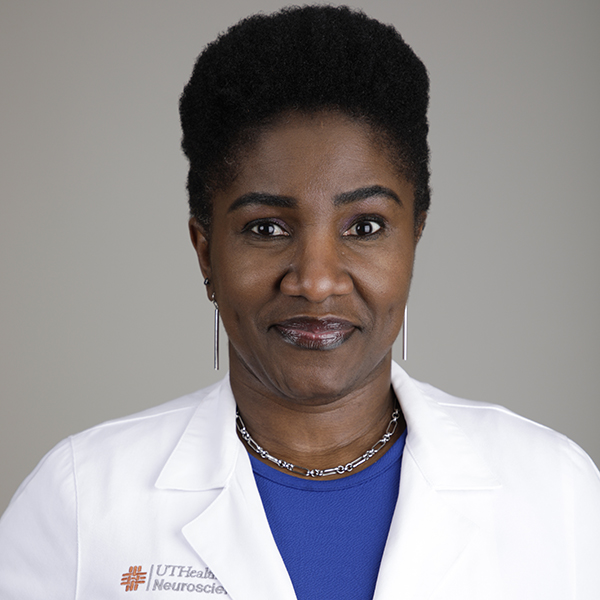
Munachi Okpala, PhD, DNP, MBA, APRN
Research Coordinators
Mariam Ahmed, BA
Alejandro Betancur
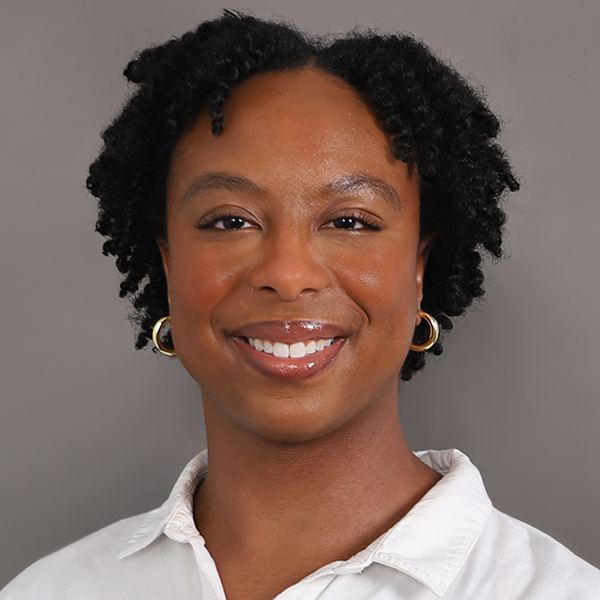
Naomi Brown, MA
Layomi Oladunjoye, BSC
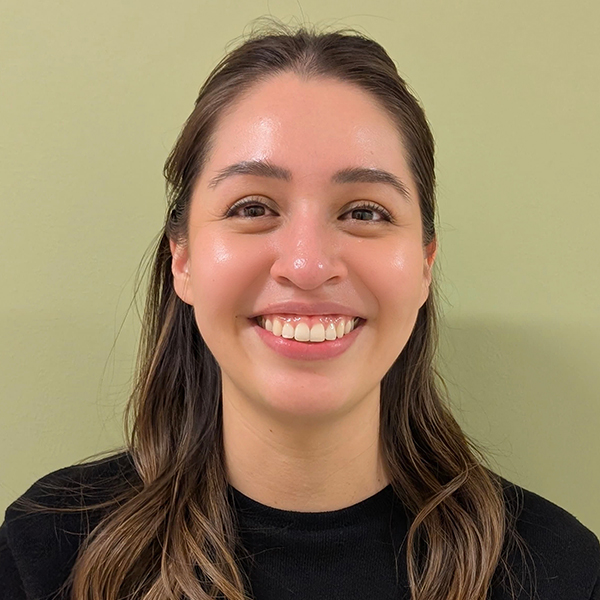
Ariana Hernandez, MD, CCRP
Community Health Workers
Briana Acosta, CHW
Kena Bush, CHW
This study is supported by the National Institute of Mental Health of the National Institutes of Health (Project Number: R01MH140091). This study is registered at clinicaltrials.gov as NCT06864715.
Join our study
We are currently enrolling adults who have had their first stroke in the past 3 months. The study is free to join, and eligible adults may receive compensation for completing study surveys.
If you would like to learn more, please call us at 713-500-2230 or email us at [email protected].